
Introduction: The Power and Peril of Plastic Money
A credit card is one of the most powerful financial tools you will ever own. Used wisely, it’s a fast track to better loans, amazing travel perks, and substantial savings. Used poorly, it is a rapid descent into high-interest debt that can cripple your future borrowing power.
In India, understanding the credit card ecosystem means mastering two things: the rules set by the Reserve Bank of India (RBI) and your own financial reputation, represented by your CIBIL Score.
This guide is designed for the Indian beginner, providing a clear roadmap on how to use a credit card responsibly to unlock a secure financial future.
1. The Foundation: Understanding Your CIBIL Score
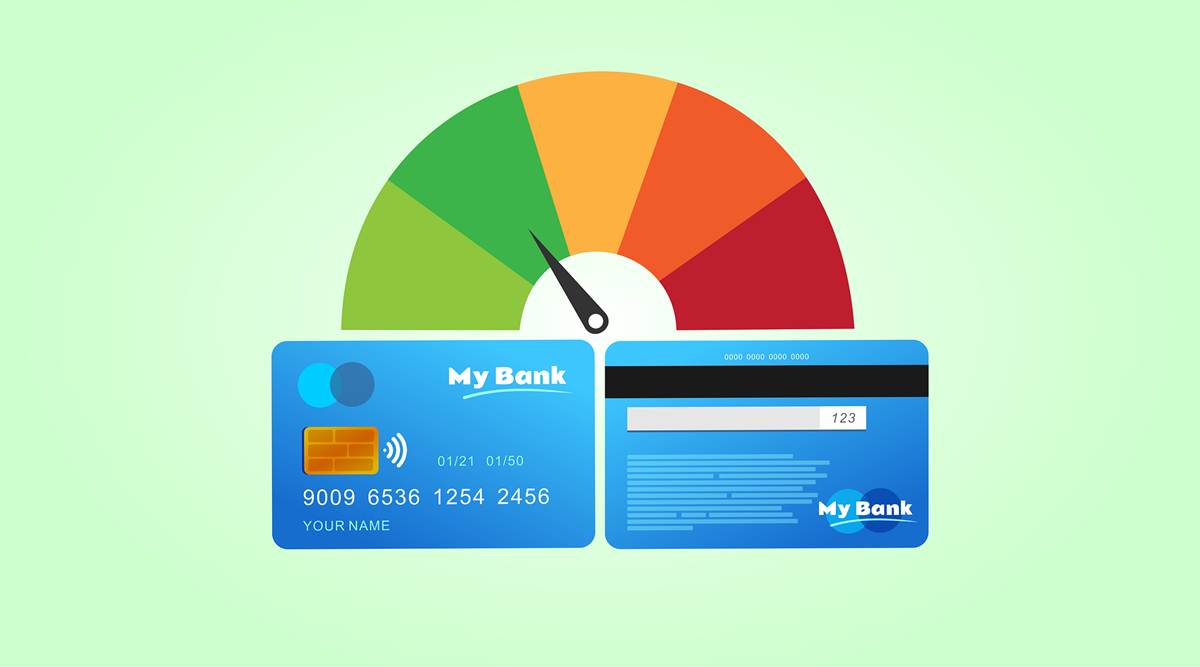
Your CIBIL Score (Credit Information Bureau (India) Limited) is the three-digit number, ranging from 300 to 900, that determines your creditworthiness. Every lender in India uses this score to decide if they should lend you money and, critically, at what interest rate.
What is a Good CIBIL Score?
750 and Above: This is considered an Excellent score. It means you are a highly trusted borrower who will likely be approved for most loans and get the best interest rates.
650 - 749: This is considered a Good score. You will generally be approved for credit, but you may not get the best offers.
Below 650: This indicates a risky profile, and getting an unsecured loan or a new credit card will be difficult.
The Five Pillars of CIBIL Calculation
Lenders assess your score based on five key factors, which every credit card user in India must know:
Payment History (35% Weightage): This is the single most important factor. Timely repayment of your credit card bills and loan EMIs is non-negotiable. Even one late payment is reported and can severely damage your score for up to three years.
Credit Utilisation Ratio (CUR) (30% Weightage): This is the percentage of your total available credit that you are currently using. If your credit limit is ₹ 1,00,000 and you have an outstanding balance of ₹ 40,000, your CUR is 40%. Always aim to keep your CUR below 30%. The lower, the better—ideally under 10%.
Credit History Length (15% Weightage): A longer, positive credit history is always better. This is why you should never close your oldest credit card unless it has extremely high fees.
Credit Mix (10% Weightage): Having a healthy mix of secured loans (like a home or car loan) and unsecured loans (like a personal loan or credit card) is viewed positively.
New Credit (10% Weightage): Avoid applying for multiple credit cards or loans within a short time frame (like six months). Each application triggers a 'hard inquiry,' which temporarily dings your score.
2. Master the Rules: The RBI Guidelines for Card Users
The Reserve Bank of India sets strict guidelines to protect cardholders. Knowing these rules is crucial for avoiding hidden fees and debt traps.
The Interest-Free Period and The Minimum Due Trap
A credit card offers an interest-free period, typically lasting 45-50 days. This means that if you pay your TOTAL outstanding bill by the due date, you pay zero interest.
The Minimum Due Payment: Banks allow you to pay just a small fraction (usually 5% of the total bill) to avoid late fees. Do not fall for this trap! If you pay only the Minimum Due, interest is immediately levied not only on the remaining balance but also retroactively on the purchases you made in the previous cycle. Always pay the full outstanding balance.
Mandatory Transparency (MITC)
RBI mandates that every card issuer must provide a clear document called the Most Important Terms and Conditions (MITC). This document must clearly state:
Joining and Annual Fees: The exact charges for the primary and add-on cards.
Cash Advance Fee: The fee and immediate interest charged for withdrawing cash using your credit card (always avoid this!).
Interest Rates: The high Annual Percentage Rate (APR) charged on revolving credit.
The Right to Close Your Card
Under RBI guidelines, if you wish to close your card, the issuer must process the request within seven working days, provided you have cleared all your dues. They cannot delay the process, and after closure, they must provide written confirmation and update the credit bureau (CIBIL) about the closure.
3. The Smart Strategy: Rewards and Practical Tips
The real benefit of a credit card is the value you get back, whether through rewards, cashback, or travel perks.
Choosing the Right Card
In India, cards generally fall into three categories:
Cashback Cards: Best for daily spending (groceries, utilities). They give a percentage of your spend back as cash or statement credit. Look for a card that rewards the categories you spend on most.
Travel Cards: Best for high spenders who frequently fly. They offer accelerated reward points that can be converted into flight miles or hotel stays.
Secured Cards (FD-Backed): If you are a beginner with no credit history, apply for a Secured Credit Card. You deposit a Fixed Deposit (FD), say ₹ 25,000, and the bank gives you a card with a limit of 80-90% of that amount. This is the fastest, safest way to establish your CIBIL history.
Actionable Tips for Building CIBIL Fast
Pay in Full, Twice a Month: Instead of waiting for the statement date, make a payment mid-cycle. This dramatically reduces your reported Credit Utilisation Ratio (CUR) and gives your CIBIL score a quick boost.
Check Your Report Annually: By law, you are entitled to one free credit report from CIBIL (and other bureaus) every year. Check this report to look for any errors, such as a loan incorrectly marked as "defaulted" or an old account that hasn't been updated. Dispute errors immediately.
Be Patient: Building a high CIBIL Score takes time—usually 6 to 12 months of consistent, responsible use before you see significant changes. Treat your credit card like a debit card: only spend what you already have in your bank account.


